Integration is Not Optional
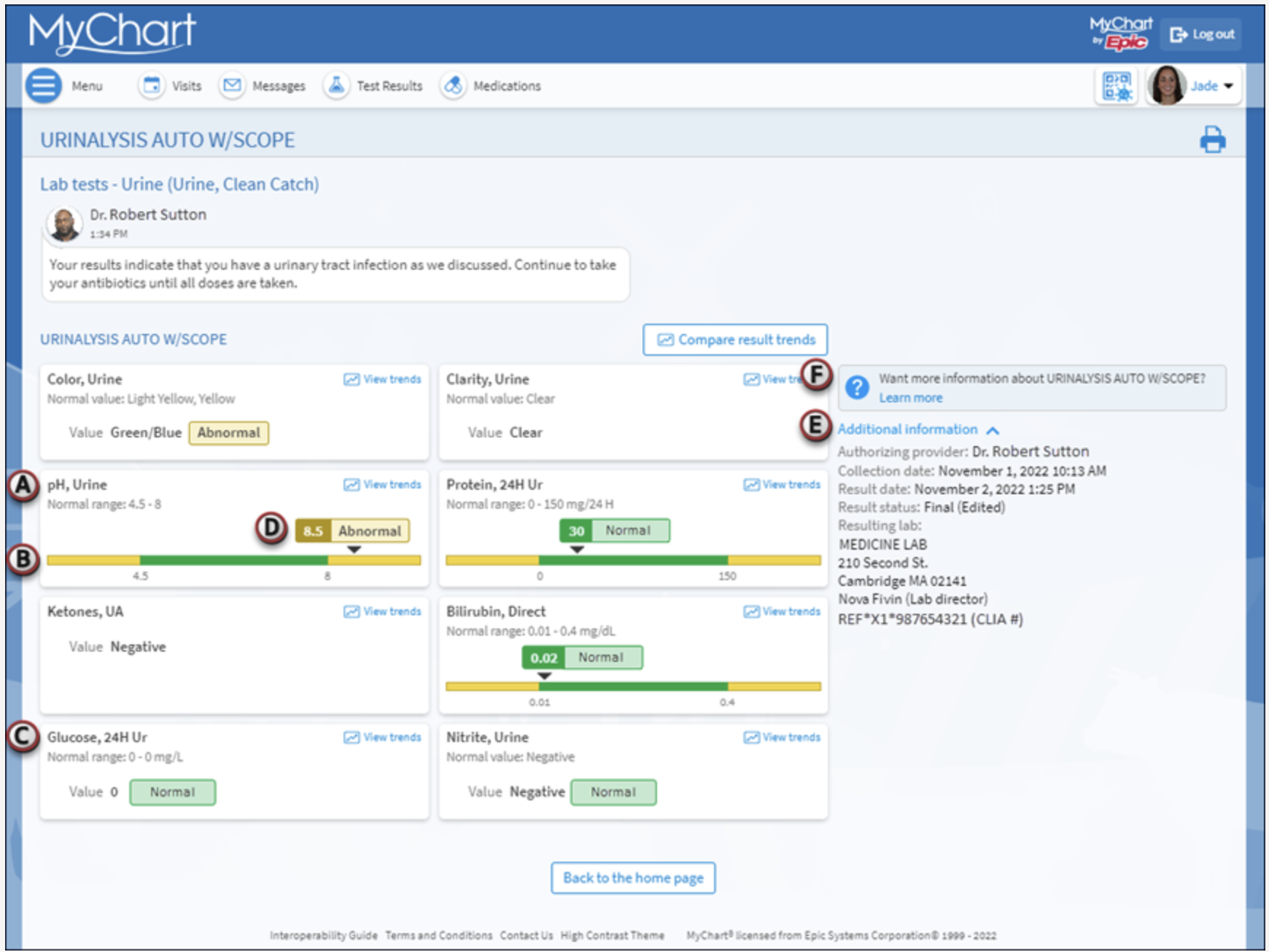
When you visit your family doctor, get lab work, or have an X-ray, the results appear in your patient portal, often within seconds. Push notifications. Full transparency. Immediate access. This is the baseline expectation of modern healthcare.
EMS remains outside that ecosystem. Not because the data doesn't exist. Not because the technology isn't available. But because EMS has not been integrated into the healthcare information infrastructure that every other clinical discipline now takes for granted.
EMS clinicians must be able to retrieve medical histories, medication lists, allergies, and care plans from Health Information Exchanges in real time, before patient contact, not after. EMS documentation must be transmitted to receiving facilities before arrival. Real-time interoperability is not a future vision. It is a safety requirement.
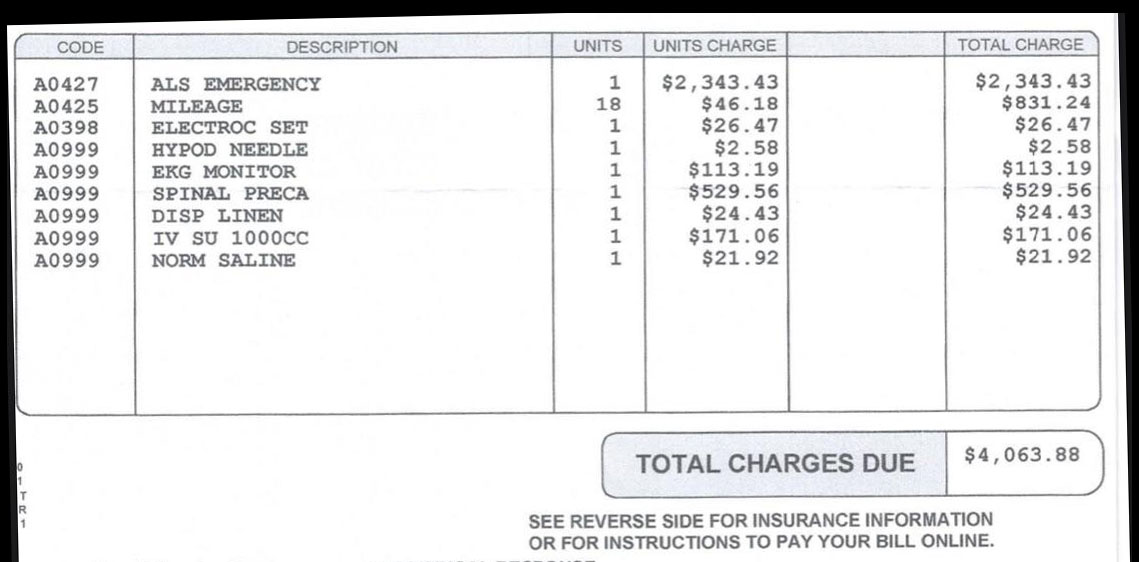
In every other corner of healthcare, patients have transparent, near-instant access to their chart, lab results, and imaging. After an EMS encounter, the only artifact most patients receive is the bill.
The Future of Emergency Medical Services, 2nd Edition